If your snoring is keeping you — or the person beside you — from a good night's sleep, you're far from alone. Snoring affects a huge share of adults, and most of it is mild, harmless, and very responsive to a few simple changes. Here's what actually causes snoring and nine natural, drug-free ways to quiet it down.
Why do you snore?
Snoring happens when air can't move freely through your nose and throat while you sleep. As you breathe, the relaxed tissues at the back of your throat vibrate — and that vibration is the sound you hear.
A few things make it worse:
- Nasal congestion from a cold, allergies, or sinus issues, which forces you to breathe harder through a narrowed passage.
- Relaxed throat muscles, often from alcohol, sedatives, or simply deep sleep.
- Sleeping on your back, which lets your tongue and soft palate fall backward and block the airway.
- Dry air, which irritates and swells the tissues in your nose and throat.
- Lifestyle factors like excess weight around the neck, smoking, or poor sleep habits.
The good news: because most snoring comes down to congestion, position, and relaxed tissue, most of it can be improved without medication.
9 natural ways to stop snoring
1. Sleep on your side, not your back
This is the single easiest fix. Back-sleeping lets gravity pull your tongue and soft palate into the airway. Rolling onto your side keeps the passage open. If you drift onto your back in your sleep, try a body pillow to hold your position — or the classic trick of sewing a tennis ball into the back of your shirt.
2. Clear nasal congestion before bed
If a blocked nose is behind your snoring, clearing it before sleep makes an immediate difference. A warm shower, steam inhalation, a saline rinse, or a decongestant balm along the nose and neck can open the airway so you breathe more freely. Aromatherapy oils like eucalyptus are especially useful here — more on that below.
3. Stay hydrated
When you're dehydrated, the mucus in your nose and throat becomes thick and sticky, which makes snoring worse. Drinking enough water through the day keeps those secretions thin and your airway clearer at night.
4. Keep your bedroom air moist
Dry air — common with air conditioning or in winter — irritates and swells nasal tissue. A humidifier in the bedroom keeps the air moist and your airways calmer, which can noticeably soften snoring.
5. Avoid alcohol and heavy meals before bed
Alcohol relaxes the muscles in your throat far more than usual, making the tissues collapse and vibrate. Try to avoid it in the two to three hours before sleep. Large, late meals have a similar effect, so keep dinner lighter and earlier.
6. Try aromatherapy and essential oils
Certain essential oils target the two biggest drivers of snoring — congestion and tension. Eucalyptus and lemon act as natural decongestants that help open blocked nasal passages, while lavender and chamomile relax the mind and body for deeper, calmer sleep. Applied as a roll-on to the neck and the sides of the nose before bed, they're a simple, drug-free part of a nightly routine.
7. Maintain a healthy weight
Extra weight around the neck narrows the airway and increases snoring. You don't need a dramatic change — even a modest reduction in neck circumference can ease the pressure on your airway and quieten your breathing at night.
8. Elevate your head
Raising the head of your bed by a few inches, or using a slightly higher pillow, keeps your airway more open and discourages your tongue from falling back. Just avoid stacking pillows so high that your neck kinks, which can make things worse.
9. Strengthen your airway with simple exercises
Weak throat and tongue muscles collapse more easily during sleep. A few minutes a day of simple mouth and tongue exercises — sliding your tongue along the roof of your mouth, or repeating certain vowel sounds — can tone those muscles over time and reduce snoring.
How essential oil roll-ons help with snoring
Of all the natural options, a targeted aromatherapy roll-on is one of the easiest to build into your nightly routine. It works on two fronts at once:
- Opening the airway — eucalyptus and lemon oils act as natural decongestants, clearing the blocked nasal passages that cause most snoring.
- Calming you into deeper sleep — lavender, chamomile, and frankincense relax the mind and body, so your breathing settles.
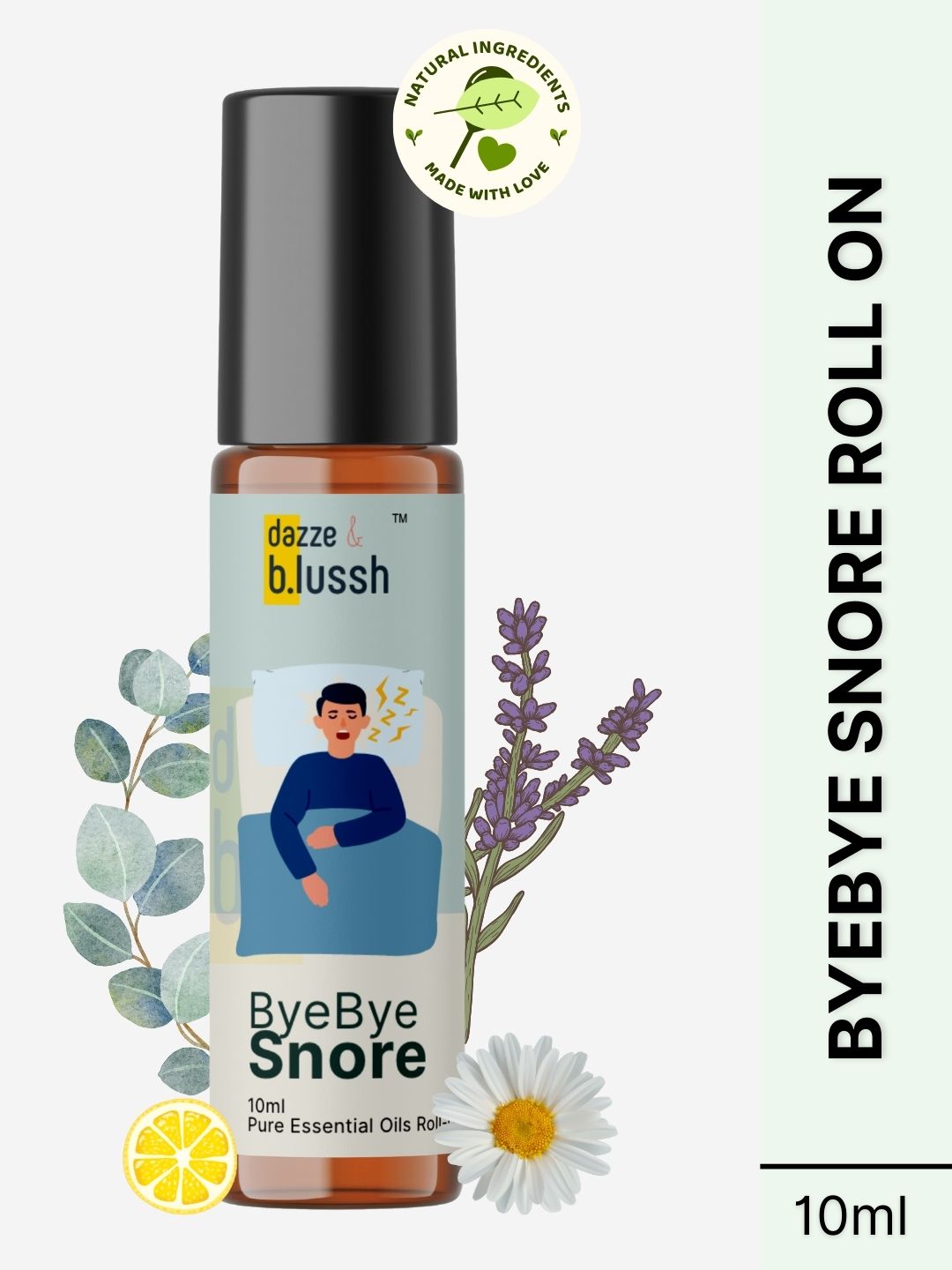
Our ByeBye Snore Anti-Snoring Roll-On blends exactly these oils. Roll a thin layer on your neck and the sides of your nose before bed, take two or three deep breaths, and let it work as you drift off. It's a gentle, drug-free support — not a medical treatment — that fits neatly alongside the other habits above.
How long until natural remedies work?
Natural remedies work gently and gradually, and how quickly you notice a difference depends on what's causing your snoring:
- Cold or nasal congestion: often improves within 1–3 nights
- Stress or light sleep: usually 3–7 days
- Allergy-related snoring: around 5–10 days
- Chronic snoring: may take 2–3 weeks, and works as ongoing support rather than a one-time cure
The key is consistency. Use your chosen remedies every night rather than only when snoring is bad, and give them time to work.
When to see a doctor
Most snoring is harmless, but sometimes it's a sign of something that needs medical attention. See a doctor if you notice:
- Pauses in breathing during sleep, or gasping and choking (a sign of possible sleep apnoea)
- Loud snoring paired with daytime exhaustion no matter how long you sleep
- Morning headaches, or waking unrefreshed most days
Natural remedies and roll-ons support everyday, mild-to-moderate snoring — they aren't a treatment for sleep apnoea or other medical conditions. If your snoring is severe or persistent, get it checked.
Frequently asked questions
What is the fastest way to stop snoring naturally?
Clearing nasal congestion and switching to side-sleeping give the quickest results, especially if a blocked nose or back-sleeping is the cause. A decongestant aromatherapy roll-on before bed can help open the airway the same night.
Do essential oils really help with snoring?
They help most when snoring is driven by congestion or tension. Decongestant oils like eucalyptus open the nasal passages, and calming oils like lavender relax you into deeper sleep. They won't treat medical causes like sleep apnoea.
Can snoring be cured completely?
Mild snoring can often be reduced or eliminated with the right habits. Chronic snoring is usually managed rather than cured, and consistent nightly routines make the biggest difference.
Why do I snore only sometimes?
Occasional snoring is usually tied to a temporary trigger — a cold, allergies, alcohol before bed, dehydration, or sleeping on your back that night. Fix the trigger and it often disappears.
Ready to sleep quieter? Explore the ByeBye Snore Anti-Snoring Roll-On and the full Sleep Support & Snoring collection for gentle, natural ways to rest better.